


Harvest mites and parasite infestations in horses and other pets: How to protect your animal in autumn
Natural protection against harvest mites & parasites – gentle & effective
Many pet owners breathe a sigh of relief when the days grow shorter and the cool, damp season begins. At last, horseflies and other flies are gone! Yet this relief is often short-lived. That is precisely when another pest strikes: harvest mites and parasite infestations in horses and other pets peak in late summer and autumn, making life truly miserable for the animals.

(AI-generated image)
What are harvest mites and how do they live?
Harvest mites belong to the arachnid family. A unique feature is that the adult mites live completely harmless lives in the soil, feeding exclusively on plant matter. The problem lies with their larvae. As the weather turns cooler and more humid, they hatch in the grass and wait for a host.
They are not picky about their hosts, either. They infest almost any mammal roaming through the meadows—horses, dogs, and cats are particularly prone to infestation. They can even transfer to humans. However, they do not spread from animal to animal. Once the larvae have fed to repletion, they simply drop back to the ground.
Symptoms: How to spot a mite infestation
The larvae themselves are tiny and barely visible to the naked eye. If you look very closely, you might spot tiny orange-red dots on the affected areas. However, the skin's reaction to the mite's saliva is far more noticeable:
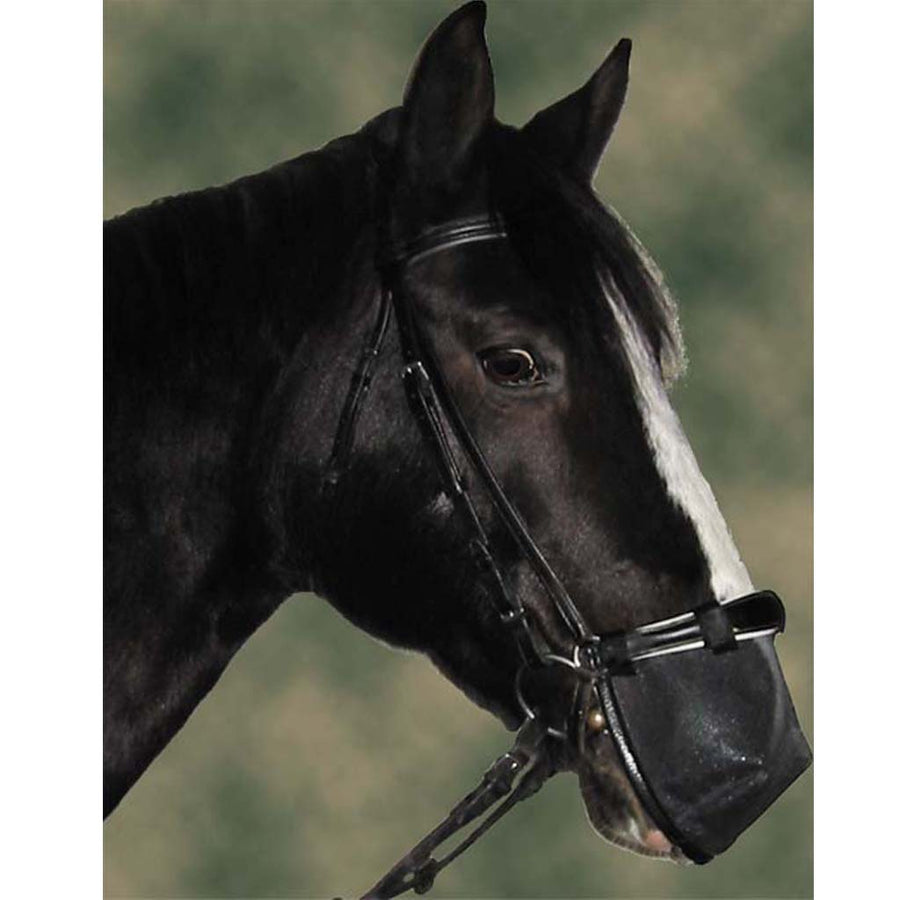
- In horses: The parasites attack areas where the skin is thin and comes into direct contact with the grass. Pay particular attention to the pasterns, the legs, and the area around the mouth and nostrils.
- In dogs and cats: The mites are usually found between the toes, on the belly, on the inner thighs, or along the edges of the ears.
- Typical signs: Pustules, scabs, and red spots develop. The worst aspect for the animal is the intense itching. Constant scratching, biting, and rubbing quickly lead to open wounds. These provide an ideal breeding ground for bacteria and fungi—in horses, for example, this can result in painful mud fever.
First Aid & Prevention: Equiprotect® Parasite – the chemical-free, itch-free solution
If you suspect your animal is affected, it is important to act quickly to break the vicious cycle of itching and scratching. The priority is to eliminate the larvae while simultaneously soothing stressed skin.
Instead of resorting to harsh chemicals, you can now protect and care for your animal using the power of nature. This is exactly where Equiprotect® Parasite comes in. This natural parasite protection was specially developed for horses and pets to effectively keep away pesky pests such as harvest mites, lice, and fleas.

(AI-generated image)
- Effective defense: The plant-based active ingredient geraniol naturally reduces the colonization of mites and other parasites.
- Mechanical protection: Upon application, triglycerides and chamomile oil form a physical protective barrier on the skin. This invisible film repels external elements, preventing larvae from biting in the first place.
- Gentle care for itching: If the skin is already dry or flaky due to bites, pure chamomile oil provides intense moisture. It soothes the skin, promotes regeneration, and helps maintain the skin's natural barrier.
Application is incredibly simple:
Apply Equiprotect® Parasite evenly to vulnerable or affected areas (such as the pasterns or belly) and massage it in gently. Because it is completely free from harsh chemicals and highly tolerable, you can use it regularly. This builds up lasting protection, keeping your animal relaxed throughout the autumn. Important: Do not apply to open, bleeding wounds!
Did your animals struggle with harvest mites last year? If so, there is a high probability that the next generation's eggs are already present in your pasture.
In addition to the regular use of Equiprotect® Parasite, wiping your animal's legs briefly with a damp cloth after time spent outdoors or in the paddock helps. This prevents the larvae from getting a foothold. For horses with heavy feathering, carefully clipping the hair around the pasterns in autumn can also help by removing the cover the parasites use for protection.



Write a comment